
Contact Us

+91 81096 09900

How to Calculate Capacity of STP in KLD
SPECIFICATION
Please enter valid positive numbers.
Results
Total Daily Water Demand:0 KLD
Expected Sewage Generation:0 KLD
Recommended STP Capacity:0 KLD
Need Expert Consultation?
Connect with Vasu Pharmatech experts for instant guidance and requirements.
overview
How to Calculate Capacity of STP in KLD: A Practical Guide
Knowing how to calculate capacity of STP is essential before selecting or designing a sewage treatment plant. If the capacity is too small, the plant may not handle the incoming sewage properly. If it is unnecessarily large, the initial investment and operating requirements can increase without providing a corresponding benefit.
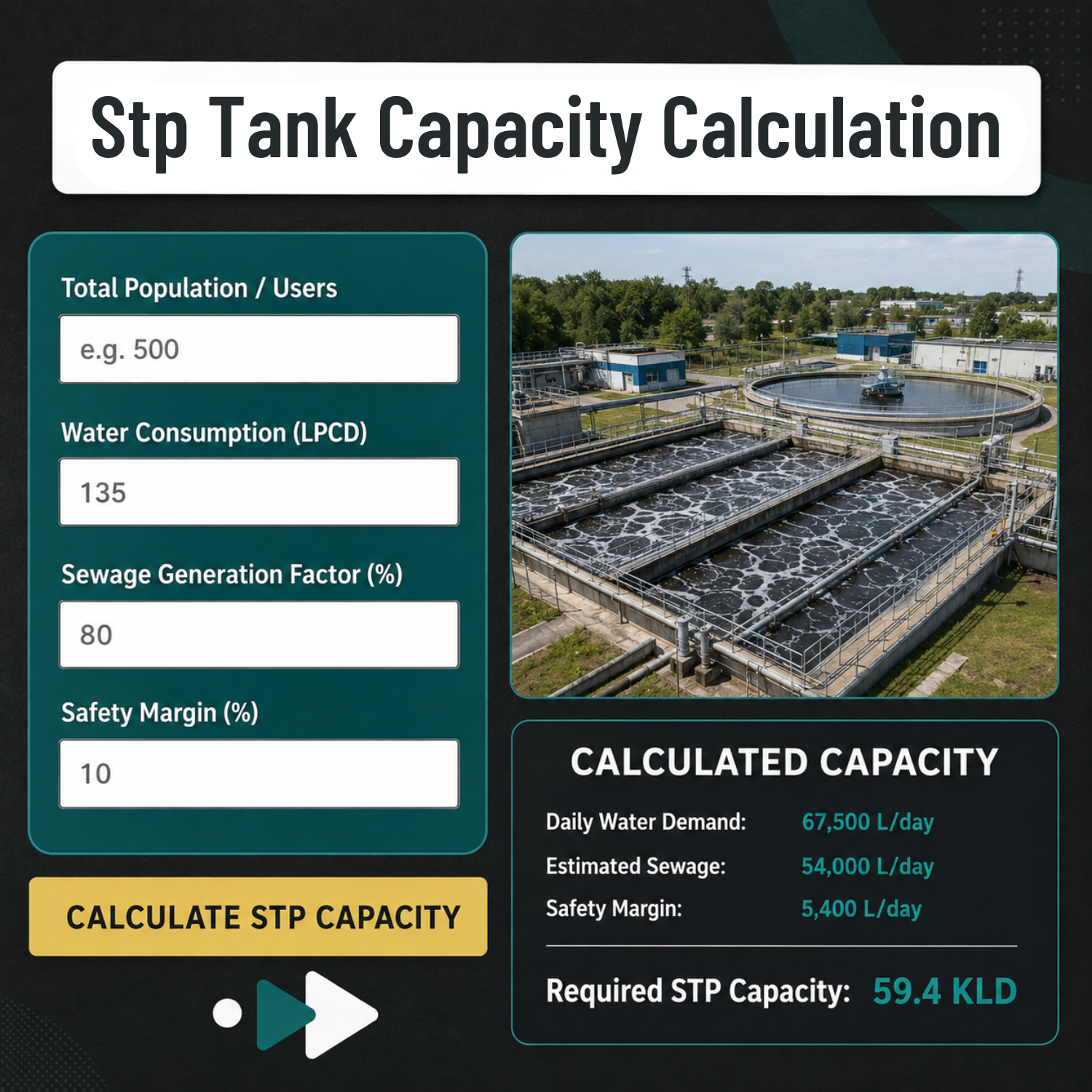
The calculation mainly depends on four inputs:
- Total population or number of users
- Water consumption in litres per capita per day (LPCD)
- Sewage generation factor (%)
- Safety margin (%)
The resulting capacity is generally expressed in KLD (kilolitres per day).
For a basic calculation, the process is straightforward:
STP Capacity (KLD) = [Population × Water Consumption (LPCD) × Sewage Generation Factor (%) × (1 + Safety Margin %)] ÷ 1000
The important point is that an STP is normally sized according to the expected sewage flow, rather than simply the total water supplied. The following sections explain how to calculate it correctly and what should be considered before finalizing a plant capacity.
What Does STP Capacity Mean?
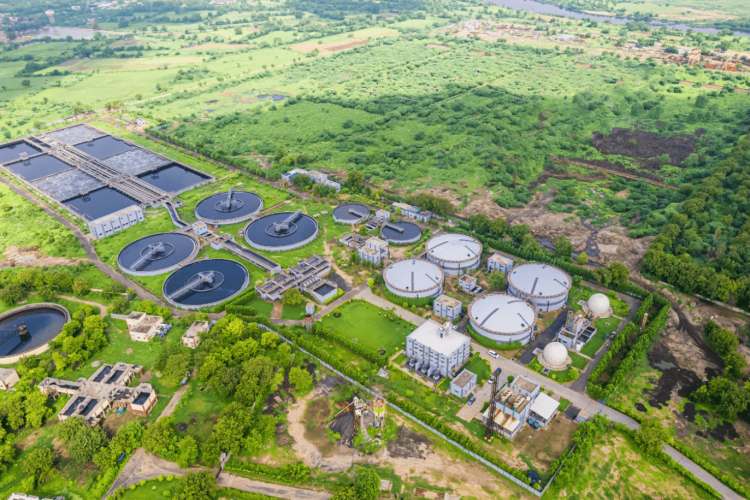
STP capacity refers to the quantity of sewage that a sewage treatment plant is designed to receive and treat within a day.
For example, an STP rated at 100 KLD is generally designed to handle approximately 100 kilolitres of sewage per day under its intended operating conditions.
Since:
1 kilolitre = 1,000 litres
a 100 KLD plant corresponds to:
100 × 1,000 = 100,000 litres/day
The required capacity depends on the number of people or users generating sewage and the amount of water they consume.
This makes population and water consumption the starting points for most preliminary STP capacity calculations.
The Basic STP Capacity Calculation Formula
The simplest approach is to calculate the expected daily water consumption, estimate the portion that becomes sewage, and then add an appropriate design margin.
Step 1: Calculate Daily Water Consumption
Use:
Daily Water Consumption = Total Population × Water Consumption per Person per Day
If a facility has 1,000 users and the assumed water consumption is 135 LPCD:
1,000 × 135 = 135,000 litres/day
or:
135 KLD
Step 2: Estimate Sewage Generation
Not all water supplied to a facility necessarily reaches the STP. Some water may be used for activities such as gardening, evaporation, cleaning losses, or other purposes.
Therefore, a sewage generation factor is applied.
The formula is:
Sewage Generation = Daily Water Consumption × Sewage Generation Factor
For example, if the sewage generation factor is 80%:
135 × 80% = 108 KLD
The estimated sewage flow is therefore 108 KLD.
Step 3: Add a Safety Margin
Actual sewage flow can vary during the day and may increase as occupancy or water use changes.
A design margin can therefore be incorporated:
Final STP Capacity = Estimated Sewage Flow × (1 + Safety Margin)
If a 15% margin is used:
108 × 1.15 = 124.2 KLD
The preliminary design capacity would therefore be approximately 124.2 KLD, subject to engineering review and the applicable design requirements.
STP Capacity Calculation Formula in One Step
The entire calculation can be combined into one formula:
STP Capacity (KLD) = Population × LPCD × Sewage Generation Factor × (1 + Safety Margin) ÷ 1000
When percentages are used, convert them into decimal form.
For example:Population = 1,000
- Water consumption = 135 LPCD
- Sewage generation factor = 80% = 0.80
- Safety margin = 15% = 0.15
Therefore:
STP Capacity = 1,000 × 135 × 0.80 × 1.15 ÷ 1,000 = 124.2 KLD
This is the basic mathematical method behind an STP Capacity Calculator.
How to Use an STP Capacity Calculator
An STP Capacity Calculator is useful when you need a quick preliminary estimate without performing the calculation manually.
The four main inputs are:
1. Determine the Design Population
Start with the number of people expected to use the premises.
Depending on the project, this may include:
Residents
Employees
Students
Hospital occupants
Staff
Visitors
Other regular users
The design population should represent the expected operating condition rather than an arbitrary number.
2. Establish Water Consumption
Determine the applicable water consumption in LPCD.
For residential developments, institutional buildings, commercial facilities, hospitals and other premises, the water-use assumption can differ.
The applicable project requirements and relevant standards should therefore be checked before finalizing the LPCD value.
3. Apply the Sewage Generation Factor
Multiply total water consumption by the expected percentage that becomes sewage.
For example:
Daily water consumption = 200 KLD
Sewage generation factor = 80%
Then:
200 × 0.80 = 160 KLD sewage
4. Include an Appropriate Design Margin
A safety margin can account for variations between estimated and actual flows.
However, the margin should not be selected simply to make the plant larger. It should be justified according to the project, expected occupancy, flow variation and applicable engineering requirements.
The final selected STP capacity should be reviewed by a qualified design professional.
How to Calculate STP Capacity in KLD
The STP capacity in KLD can be calculated using the following sequence:
| Input | Purpose |
|---|---|
|
Total Population / Users |
Determines the number of sewage-generating people |
|
Water Consumption (LPCD) |
Estimates daily water demand |
|
Safety Margin (%) |
Provides additional design allowance |
|
Sewage Generation Factor (%) |
Converts water consumption into estimated sewage flow |
The calculator should first determine daily water consumption, then apply the sewage generation factor, and finally add the selected safety margin.
For example, changing the population from 1,000 to 1,500 users directly increases the estimated sewage load. Similarly, increasing the assumed LPCD increases the required STP capacity.
This is why the calculation should be based on realistic occupancy and water-use assumptions rather than simply selecting a convenient plant size.
STP Capacity Calculation for a Hospital
STP capacity calculation for a hospital requires more attention because hospital occupancy is not necessarily represented by a single residential population figure.
The calculation may need to consider different groups, such as:
- Inpatients
- Hospital staff
- Doctors and nurses
- Outpatients
- Visitors
- Support personnel
- Other regular occupants
A hospital’s water consumption can also vary according to the services and facilities provided.
For a preliminary calculation, the same basic principle applies:
STP Capacity = Total Design Water Consumption × Sewage Generation Factor × Safety Margin
If water consumption is calculated separately for different user groups, their estimated flows can be combined before applying the sewage factor.
For example:
Total Water Demand = Patient Water Demand + Staff Water Demand + Other Relevant Demand
The estimated sewage flow can then be derived from the applicable sewage generation factor.
For hospital projects, capacity should not be finalized solely from a generic online calculator. The project-specific water balance, occupancy, operational pattern and applicable regulatory or engineering requirements should be considered.
Should STP Capacity Equal Total Water Consumption?
Not necessarily.
This is one of the most important points in STP sizing.
If a facility consumes 250 KLD of water, it does not automatically mean that a 250 KLD STP is required.
The actual sewage flow depends on how much of that water becomes wastewater that reaches the treatment system.
For example:
Water consumption = 250 KLD
Sewage generation factor = 80%
Estimated sewage:
250 × 0.80 = 200 KLD
If a 10% design margin is subsequently applied:
200 × 1.10 = 220 KLD
The resulting preliminary capacity is 220 KLD rather than 250 KLD.
The actual factors, however, should be established according to the project and applicable design requirements.
Why the Safety Margin Matters
Sewage flow is rarely perfectly constant.
A residential complex, hotel, hospital, office building or institutional facility can experience different flow rates during different periods of the day. Occupancy can also change over time.
A safety margin provides additional capacity above the calculated average requirement.
However, there is a difference between providing reasonable design allowance and oversizing the plant.
An excessively large STP can create its own operational challenges. If actual wastewater flow is substantially below the plant’s design capacity, treatment performance and process operation may not behave as intended.
Therefore, the safety margin should be selected based on engineering considerations rather than used as a blanket percentage for every project.
Average Flow Is Not the Only Consideration
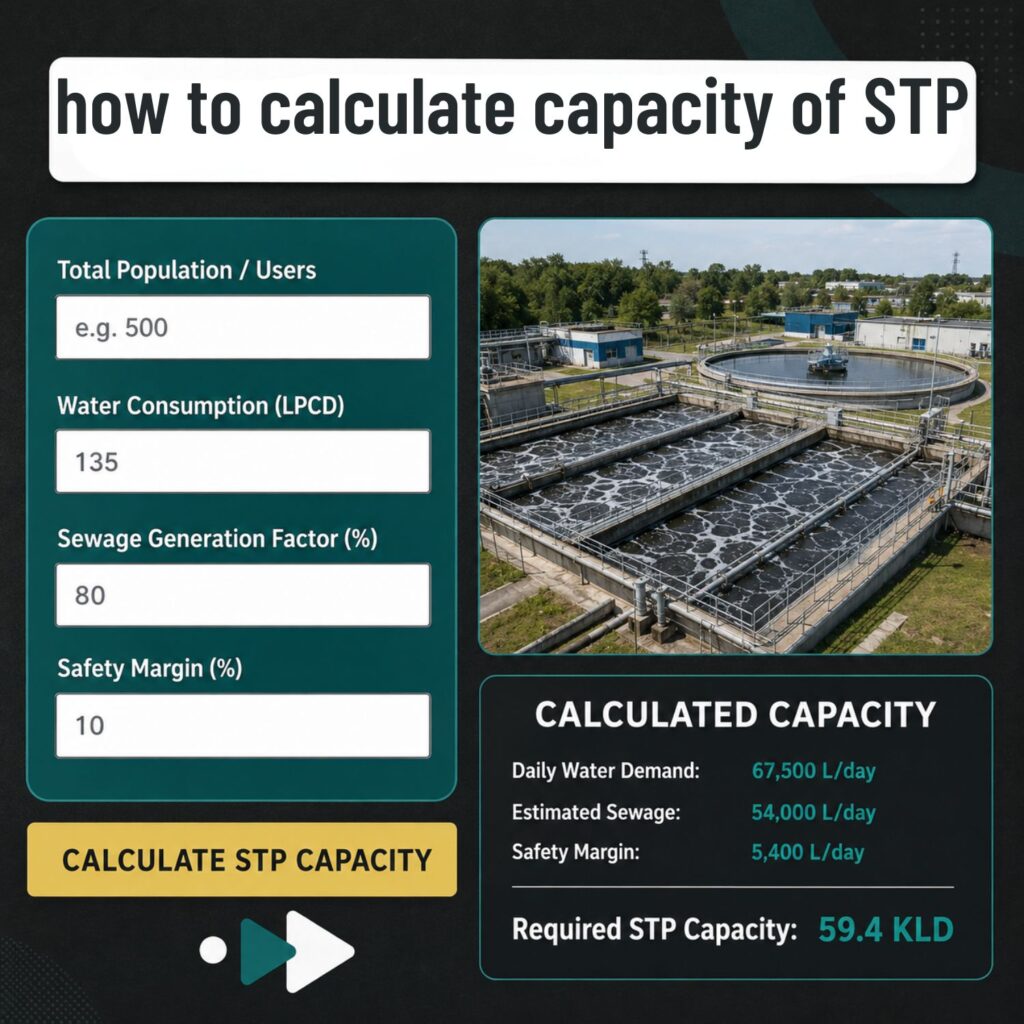 A basic STP capacity calculation generally starts with daily flow in KLD, but a detailed STP design involves more than dividing daily sewage by 24 hours.
Engineers may also need to evaluate:
- Average daily flow
- Peak flow
- Flow variation
- Hydraulic loading
- Organic loading
- Influent characteristics
- Occupancy patterns
- Equalization requirements
- Treatment technology
- Sludge generation
- Treated-water reuse requirements
For this reason, an online or spreadsheet-based capacity calculation should be considered a preliminary sizing tool, not a substitute for detailed engineering design.
Common Mistakes in STP Capacity Calculation
Using Population Alone
Population does not directly provide sewage flow. Water consumption must also be considered.
Assuming All Water Becomes Sewage
Some water may not enter the sewage collection system. Applying an appropriate sewage generation factor produces a more useful preliminary estimate.
Ignoring Future or Variable Occupancy
A facility operating close to its maximum expected occupancy may generate considerably more sewage than one operating at partial occupancy.
Adding an Arbitrary Large Safety Margin
More capacity is not automatically better. Oversizing can affect economics and plant operation.
Choosing the Plant Before Calculating the Flow
The correct sequence is to estimate the expected sewage flow first and then determine the appropriate plant capacity.
Treating KLD as the Only Design Parameter
KLD describes hydraulic capacity, but treatment-system design also depends on pollutant loading and process requirements.
A Simple STP Capacity Calculation Example
Consider a facility with:
- Total users: 2,000
- Water consumption: 135 LPCD
- Sewage generation factor: 80%
- Safety margin: 15%
First calculate daily water consumption:
2,000 × 135 = 270,000 litres/day
Convert to KLD:
270 KLD
Now calculate sewage generation:
270 × 0.80 = 216 KLD
Add the safety margin:
216 × 1.15 = 248.4 KLD
Therefore, the preliminary calculated STP capacity is:
248.4 KLD
A practical project specification may require selection of an appropriate nominal plant capacity around the calculated requirement, but that final selection should be made after considering detailed engineering and applicable requirements.
How to Choose the Final STP Capacity
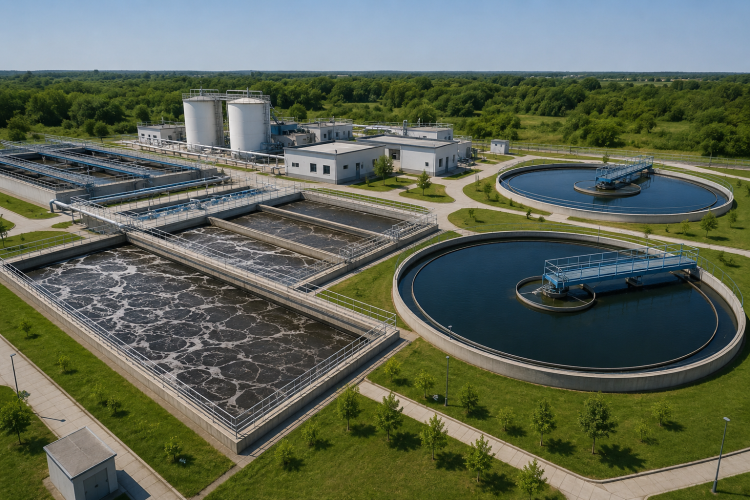
Once the preliminary sewage flow has been calculated, the next step is to validate the result.
Consider:
- Current population or occupancy
- Expected future occupancy
- Actual or specified water consumption
- Expected sewage generation
- Daily and hourly flow variations
- Peak hydraulic flow
- Influent wastewater characteristics
- Applicable local requirements and standards
- Treatment technology
- Space, operation and maintenance considerations
The calculated figure gives you a starting point. It should then be reviewed against the actual conditions of the project.
For a large residential development, hospital, hotel, industrial campus or institutional project, a detailed engineering assessment is particularly important.
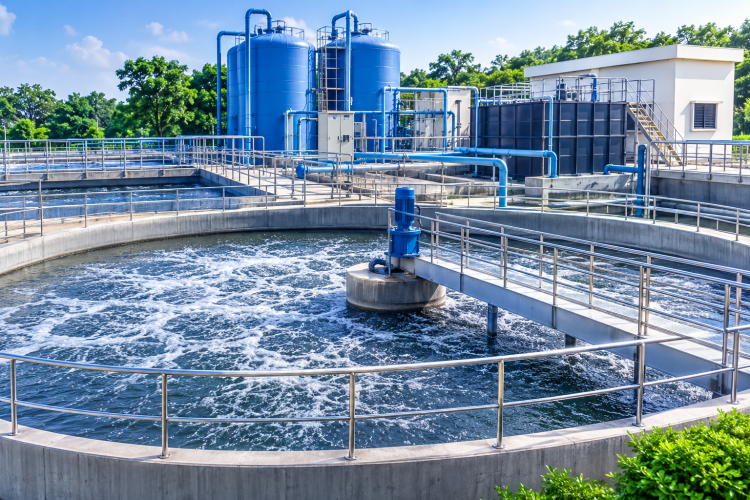
STP Capacity Support from Vasu Pharmatech
Once you have estimated your sewage flow, the next step is to translate that requirement into an appropriate STP solution. Vasu Pharmatech can be considered when you are exploring STP-related requirements and need to move from preliminary capacity estimation toward the next stage of evaluation.
Before finalizing any plant, use the calculated KLD requirement together with project-specific engineering considerations to determine the appropriate configuration and capacity.
If you are evaluating an STP requirement, start with your total population/users, LPCD, sewage generation factor and safety margin, calculate the expected KLD, and then use that figure as the basis for further technical evaluation.
Conclusion
Learning how to calculate capacity of STP starts with four basic inputs: total users, water consumption in LPCD, sewage generation factor and safety margin.
The core formula is:
STP Capacity (KLD) = Population × LPCD × Sewage Generation Factor × (1 + Safety Margin) ÷ 1000
This calculation provides a practical preliminary estimate of the sewage treatment requirement. However, final STP sizing should also consider peak flow, wastewater characteristics, occupancy patterns, future requirements and applicable design standards.
Whether you are calculating an STP for a residential building, commercial property, institution or hospital, the objective should be to select a capacity that reflects the project’s actual wastewater generation rather than simply choosing a larger or smaller standard plant.
Frequently Asked Question
FAQ
To calculate STP capacity in KLD, multiply the total population by water consumption in LPCD, apply the sewage generation factor, and include the required safety margin. The result gives the preliminary STP capacity in KLD.
The basic Sewage Treatment Plant capacity calculation formula is: STP Capacity (KLD) = Population × Water Consumption (LPCD) × Sewage Generation Factor × (1 + Safety Margin) ÷ 1000.
An STP Capacity Calculator uses inputs such as total population, water consumption, sewage generation factor, and safety margin to estimate the required sewage treatment plant capacity in KLD
To calculate STP capacity in KLD, first multiply the population by the applicable LPCD value to determine daily water consumption. Then apply the sewage generation factor and safety margin to estimate the required STP capacity.
Sewage generation is generally estimated by multiplying total daily water consumption by the applicable sewage generation percentage. This estimated wastewater flow is then used for STP capacity calculation.
STP capacity calculation for a hospital should consider patients, staff, doctors, visitors, and other relevant users. Their water consumption and expected sewage generation are evaluated to determine the required hospital STP capacity in KLD.
No. STP capacity is generally based on estimated sewage generation rather than total water consumption. A sewage generation factor is applied because not all supplied water necessarily reaches the sewage treatment plant.
A safety margin allows for variations in occupancy, water consumption, and sewage flow. Including an appropriate margin can help ensure that the calculated STP capacity is suitable for expected operating conditions.
Key factors include total population, water consumption in LPCD, sewage generation percentage, safety margin, occupancy pattern, peak flow, wastewater characteristics, and future requirements. These factors should be evaluated before final STP sizing.
An STP Capacity Calculator can provide a useful preliminary estimate, but final sewage treatment plant capacity should be validated through detailed engineering, peak-flow assessment, wastewater characteristics, applicable standards, and project-specific requirements.

About The Author
Lalit Nankani
Managing Partner, Vasu Pharmatech
Lalit Nankani has over 12 years of experience in the filtration and water treatment industry. He leads Vasu Pharmatech, a trusted name in making PP Filter Press Systems, MBBR Filter Media, and other filtration products.
Under his leadership, the company has delivered high-quality solutions to many industries like pharmaceuticals, chemicals, food and beverage, textiles, and wastewater treatment. Lalit believes in providing strong, easy-to-use, and cost-effective systems that help businesses clean and reuse water.
Products
We Have The Best Water Treatment Products
Vasu Pharmatech offers high-quality wastewater treatment products designed for efficient, reliable, and sustainable solutions.
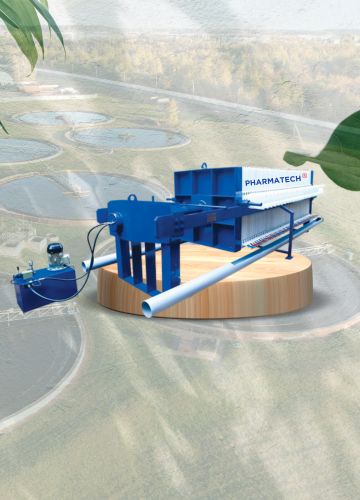
A filter press uses plates to form filter cakes, separating slurry into filtrate.
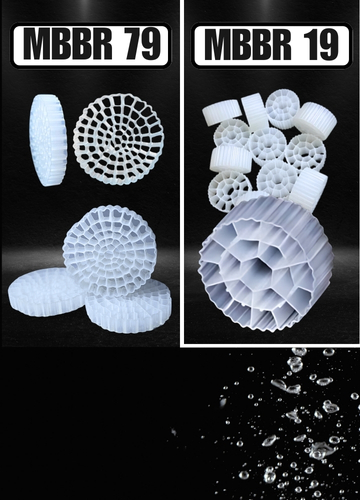
MBBR filter media: biologically active carrier tailored to water properties.
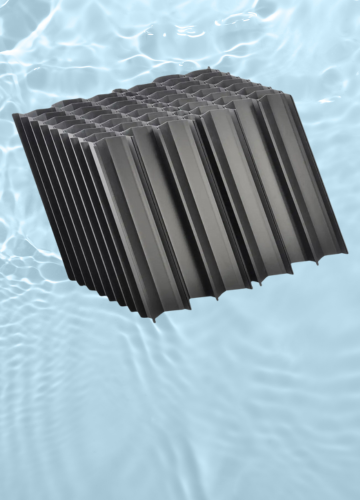
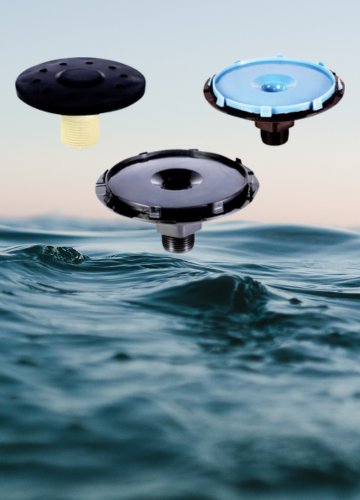
Coarse bubble diffuser: Submerged aeration for microbial degradation.
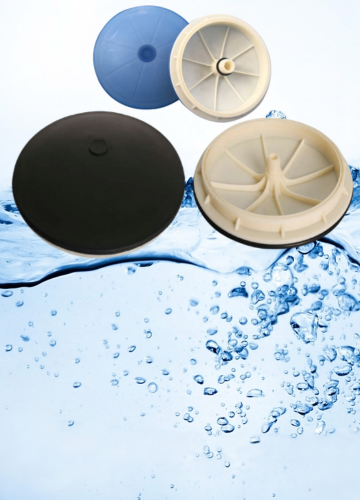
Fine bubble disc diffuser: Submerged aeration for microbial degradation.

Fine bubble diffuser: Submerged aeration for microbial degradation.
Coarse bubble diffuser: Submerged aeration for microbial degradation.
Fine bubble diffuser: Submerged aeration for microbial degradation.

testimonials
What Our Clients Say About Us

Water Resource
- List Item #1
- List Item #1
- List Item #1
- List Item #1
- List Item #1
Verified Purchase
Vasu Pharmatech is truly one of the best companies in the industry.The quality of Diffuser, Tube Pac Media , Bio Pac Media & Filter Press is excellent. I am extremely satisfied with the product.The team is very supportive, professional, and always ready to help.If you are looking for top-quality Water & waste water product, reliable service, and a trustworthy company, Vasu Pharmatech is the perfect choice.
Highly recommended!

Er. Vikas Shukla
- List Item #1
- List Item #1
- List Item #1
- List Item #1
- List Item #1
Verified Purchase
Excellent experience with Vasu Pharmatech. We sourced water treatment components (diffusers and tube deck media) from them, and the quality has been top-notch. The materials are durable and have improved the efficiency of our plant. Highly recommended for anyone looking for reliable STP/ETP equipment in India.

ABHISHEK SAINI
- List Item #1
- List Item #1
- List Item #1
- List Item #1
- List Item #1
Verified Purchase
Vasu Pharmatech is a reliable and well-established company in the water and wastewater treatment industry. The quality of their products Air diffusers, Filter press, MBBR media, Tube Pac media and Tube settler media is consistently excellent and meets expected industry standards. The team is professional, cooperative, and responsive throughout the process. Orders are delivered on time as committed, and coordination is smooth.

Ajay Sharma
- List Item #1
- List Item #1
- List Item #1
- List Item #1
- List Item #1
Verified Purchase
Very good company and Staff is so nice & humble. Especially that one says “Good Morning Sir. How are You.” I have received my orders quickly and timely as committed with supplier. Diffuser & Membrane quality is up to the mark and Lalit Ji is too helpful.

Sachin Rana
- List Item #1
- List Item #1
- List Item #1
- List Item #1
- List Item #1
Verified Purchase
Best product and service, timely response for all process.. nice experience with Vasu Pharmatech

VISHAL SHUKLA
- List Item #1
- List Item #1
- List Item #1
- List Item #1
- List Item #1
Verified Purchase
Vasu Pharmatech is a best company in the manufacturing of Air Diffusers, Filter Press, MBBR Media and Tube Settler Media

VISHAL SHUKLA
- List Item #1
- List Item #1
- List Item #1
- List Item #1
- List Item #1
Verified Purchase
Always received the supply of MBBR , Tubedeck media etc in right time right quantity and right place , totally satisfied with services and employees coordination is so 😊🙏🙏

ajay kumar
- List Item #1
- List Item #1
- List Item #1
- List Item #1
- List Item #1
Verified Purchase
Very nice service, excellent staff, Good comunication, timely response for all process..nice experience of dealing with them

AN Engineers & Chemicals
- List Item #1
- List Item #1
- List Item #1
- List Item #1
- List Item #1
Verified Purchase
All product are very good and after sales service support is very nice

Pradip Rajput
- List Item #1
- List Item #1
- List Item #1
- List Item #1
- List Item #1
Verified Purchase
Quality product and prompt service support 

Venkat V
- List Item #1
- List Item #1
- List Item #1
- List Item #1
- List Item #1
Verified Purchase
I bought air diffuser that’s good to use

Banerjee Uzzal
- List Item #1
- List Item #1
- List Item #1
- List Item #1
- List Item #1
Verified Purchase
Quality product, timely response, deliverd Timely

Gini Sutradhar
- List Item #1
- List Item #1
- List Item #1
- List Item #1
- List Item #1
Verified Purchase
Product quality is very best.

An Engineers & Chemicals
- List Item #1
- List Item #1
- List Item #1
- List Item #1
- List Item #1
Verified Purchase
Good in Product Quality & Services

vikas sharma
- List Item #1
- List Item #1
- List Item #1
- List Item #1
- List Item #1
Verified Purchase
Excellent services Vasu Pharmatech

garg kumar
- List Item #1
- List Item #1
- List Item #1
- List Item #1
- List Item #1
Verified Purchase
The diffusers are performing very well

Kelly Bryant
- List Item #1
- List Item #1
- List Item #1
- List Item #1
- List Item #1
Verified Purchase
Great products and service

Vikas Shukla
- List Item #1
- List Item #1
- List Item #1
- List Item #1
- List Item #1
Verified Purchase
Excellent product quality

Ankit Kumar
- List Item #1
- List Item #1
- List Item #1
- List Item #1
- List Item #1
Verified Purchase
Very good company

nikhil kumar
- List Item #1
- List Item #1
- List Item #1
- List Item #1
- List Item #1
Verified Purchase
Best service and materials

Palak Thakur
- List Item #1
- List Item #1
- List Item #1
- List Item #1
- List Item #1
Verified Purchase
Good quality 👍

Renji Chacko
- List Item #1
- List Item #1
- List Item #1
- List Item #1
- List Item #1
Verified Purchase
Good

renji3265 chacko
- List Item #1
- List Item #1
- List Item #1
- List Item #1
- List Item #1
Verified Purchase
Good

Farhan Sheikh
Jaipur
- List Item #1
- List Item #1
- List Item #1
- List Item #1
- List Item #1
Verified Purchase
Coarse Bubble Diffuser ka aeration kaafi fast hai, kaam asaan ho gaya.

Ravi Bansal
Delhi
- List Item #1
- List Item #1
- List Item #1
- List Item #1
- List Item #1
Verified Purchase
Tube Settler Media ka installation unke team ne jaldi complete kar diya.

Prakash Menon
Tamil Nadu
- List Item #1
- List Item #1
- List Item #1
- List Item #1
- List Item #1
Verified Purchase
Vasu Pharmatech ka Automatic Filter Press Machine time aur labor dono save karta hai.

Kavita Nair
Kerala
- List Item #1
- List Item #1
- List Item #1
- List Item #1
- List Item #1
Verified Purchase
FAB Reactor media ka biofilm growth uniform hai, kaafi achha experience.

Rajiv Kumar
Gujarat
- List Item #1
- List Item #1
- List Item #1
- List Item #1
- List Item #1
Verified Purchase
Maine unka Filter Press for Sludge Dewatering liya, full value for money hai.

Tina Arora
Delhi
- List Item #1
- List Item #1
- List Item #1
- List Item #1
- List Item #1
Verified Purchase
Inke Diffusers in STP reliable hai, paani ka treatment hassle free ho jata hai.

Neha Sharma
Hyderabad
- List Item #1
- List Item #1
- List Item #1
- List Item #1
- List Item #1
Verified Purchase
MBBR Bio Media ka price market competitive hai aur quality high.
Review Us On Google
Take a moment to review us on Google and let us know how we’re doing. Your feedback helps us improve and continue delivering the best solutions.
Click Here★★★★★ 5/5
Reviews and Ratings
We certify that M/s. Vasu Pharmatech, located at 66B, Pocket AD Shalimar Bagh, Delhi-110088, supplied us with a Pharmatech filter press for our 275 KLD ETP plant at M/s. Asian Colour Coated Ispat Ltd. in Bawal, Dist: Rewari (Hr.). The plant was started in January 2018 and is still working well. The product and its performance have been satisfactory up to now.

ASIAN COLOUR COATED ISPAT LIMITED
Rewari, Haryana
how to calculate capacity of STP, STP Capacity Calculator, STP capacity in KLD, STP capacity calculation for hospital, Sewage treatment plant capacity calculation
how to calculate capacity of STP, STP Capacity Calculator, STP capacity in KLD, STP capacity calculation for hospital, Sewage treatment plant capacity calculation